Flexible pouches give brands a range of formats for retail display, shipping, and single-use portions. This guide compares four packaging groups: Stand-Up Pouches, Flat Bottom Pouches, Flat Pouches, and Sachets and Stick Packs. It helps brand founders, packaging leads, and operations teams match the format to shelf presence, product needs, and customer experience.
These groups are practical buying categories, not mutually exclusive shapes. We discuss Sachets and Stick Packs separately because they serve single-use portions, although some sachets also have a flat pouch structure.
Stand-Up Pouches: The Retail Shelf Favorite
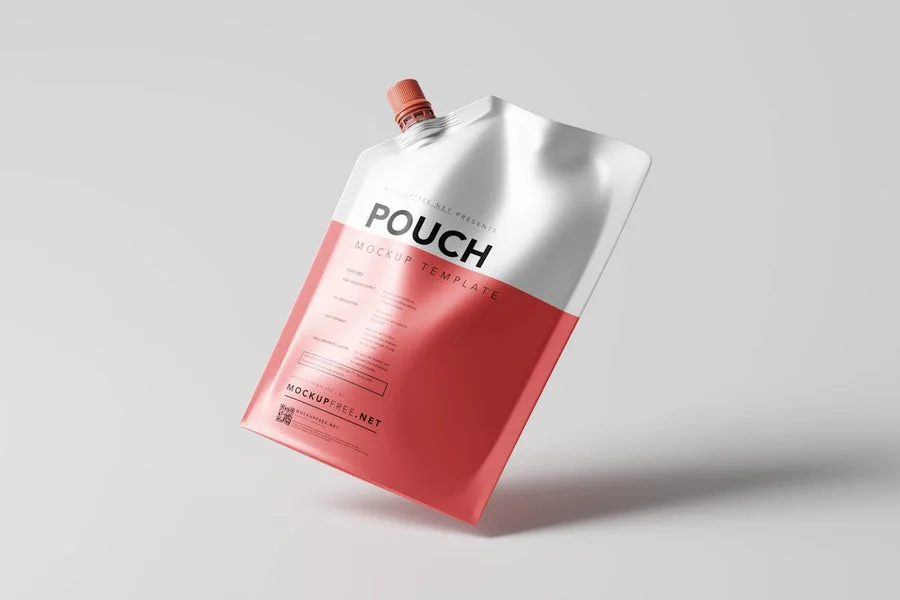
Stand-up pouches feature a bottom gusset that allows them to stand upright on shelves. They’re ideal for products that benefit from vertical presentation and strong front-face branding.
Best Use Cases
- Snacks and dry food
- Coffee, tea, and powders
- Wellness supplements
- Refill packs for beauty or cleaning
Pros and Cons
- High visibility on shelf
- Large print area for branding
- Resealable zipper options available
- Heavy or rigid items need careful material selection and filled-sample testing
Flat Bottom Pouches: Stable Display With Multiple Branding Panels
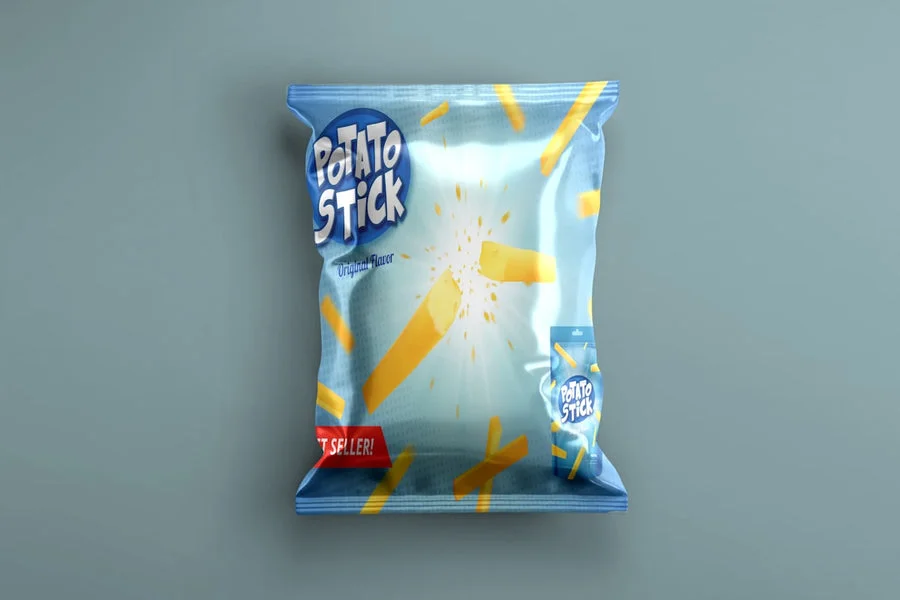
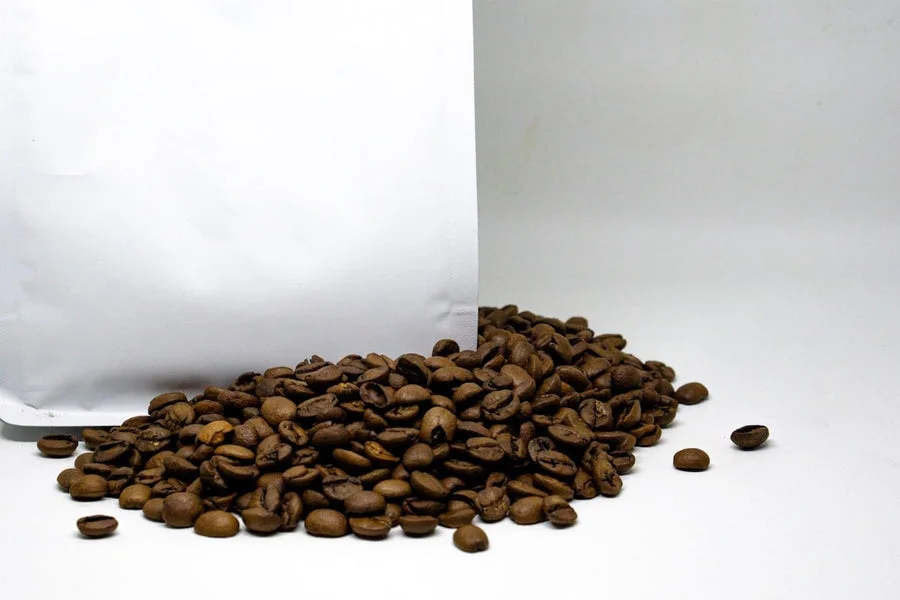
Flat bottom pouches combine a flat base with expandable side gussets, forming a more box-like shape when filled. They offer a distinct structure from flat pouches, which do not have a standing base.
Best Use Cases
- Coffee
- Dry foods such as grains, granola, and snacks
- Larger retail packs that benefit from a structured presentation
Pros and Cons
- Stable upright display when correctly sized and filled
- Front, back, and side panels provide multiple branding surfaces
- More complex construction can increase cost
- Suitable fill quantities depend on dimensions, materials, and actual filled-sample results
Flat Pouches: A Simple Format for Packs That Don’t Need to Stand
Flat pouches have front and back panels without a standing base. They can lie flat, hang from a retail peg when fitted with a hang hole, or sit in an outer display. A small flat pouch used for a single portion may also be called a sachet.
Best Use Cases
- Single-serve snacks
- Sample sachets
- Wipes, masks, or trial packs
- Small hardware or accessories
Pros and Cons
- Simple construction can help manage packaging cost
- Compact format for storage and distribution
- Works well for sample programs
- Cannot stand upright without support
- Usable capacity depends on pouch dimensions, seal areas, and product shape
Sachets and Stick Packs: Compact, Portable, and Single-Use
Sachets and stick packs are small, single-use flexible packages designed for quick consumption and portability. Sachets often have a flat format, while stick packs are typically narrow and elongated. We group them here by their single-portion use, which can overlap with Flat Pouches in form.
Best Use Cases
- Powdered supplements or drink mixes
- Beauty masks, serums, or wipes in sachets
- Travel-size gels or creams
- Trial versions for promotional campaigns
Pros and Cons
- Easy to distribute and store
- Convenient for measured portions and on-the-go use
- Great for trial and sampling programs
- Typically not resealable
- Smaller surface area for branding or instructions
- Cost depends on packet size, material, filling requirements, and order quantity
Using less film in one small packet does not by itself establish a lower overall environmental impact. Any environmental claim needs evidence for the complete packaging system and its intended use.
How to Choose the Right Pouch Type
Use these three questions to match structure with function:
1. Does it need to stand upright?
- Yes: Compare Stand-Up Pouches and Flat Bottom Pouches, then test stability with your actual product.
- No: Consider Flat Pouches for packs that lie flat or hang. For single-use portions, consider Sachets and Stick Packs, usually supported by an outer carton, tray, or display.
A gusset is a structural feature, not a separate alternative to a stand-up pouch. Stand-Up Pouches have a bottom gusset; Flat Bottom Pouches combine a flat base with side gussets.
2. What’s the fill volume?
- Single-use quantities: Consider Sachets and Stick Packs, or small Flat Pouches, based on how the product is filled, opened, and dispensed.
- Multi-serving quantities: Compare Stand-Up Pouches and Flat Bottom Pouches if upright display matters. Flat Pouches may also work when standing is unnecessary.
Volume and density are different considerations. The same net weight can require different pouch sizes for a light, bulky product and a dense powder. Check product density, pouch dimensions, material, headspace, and filled-sample results rather than choosing a format from weight or volume alone.
3. Where will it be sold?
- Retail shelves: Stand-Up Pouches and Flat Bottom Pouches provide upright presentation. Flat Pouches and Sachets and Stick Packs can use peg displays or outer display packaging.
- E-commerce or wholesale: All four groups may work. Check how the filled packs fit into shipping cartons and how customers store and use them.
- Sampling or events: Flat Pouches and Sachets and Stick Packs are useful for individual portions. Small Stand-Up Pouches or Flat Bottom Pouches may suit trials where resealing or retail presentation matters.
Four Pouch Types at a Glance
Capacity and cost depend on dimensions, materials, features, and order quantity. Use this table as a starting point, then compare specifications and filled samples.
| Comparison | Stand-Up Pouches | Flat Bottom Pouches | Flat Pouches | Sachets and Stick Packs |
|---|---|---|---|---|
| Display style | Stands on a bottom gusset when properly filled | Flat base and side gussets create a box-like upright display | Lies flat, hangs, or uses a supporting display | Usually presented in cartons, trays, or sample kits |
| Typical uses | Snacks, powders, supplements, and refill packs | Coffee, dry foods, and larger retail packs | Single-serve snacks, wipes, masks, samples, and small accessories | Drink mixes, portioned powders, gels, creams, and promotional samples |
| Branding space | Front and back panels; allow for bottom folds and closures | Front, back, and side panels; plan artwork across folds | Front and back panels; usable area depends on seals and size | Compact panels; prioritize essential information and opening instructions |
| Cost factors | Size, barrier film, zipper, valve, printing, and quantity | Additional forming complexity, materials, closures, printing, and quantity | Size, seal design, materials, closures, printing, and quantity | Packet dimensions, film, printing, filling setup, and quantity |
Key Takeaways for Growing Brands
- Stand-Up Pouches combine upright shelf presentation with flexible closure and branding options.
- Flat Bottom Pouches offer a box-like presentation and multiple branding panels, with more complex construction to consider.
- Flat Pouches suit products that do not need to stand, including samples, wipes, and small accessories.
- Sachets and Stick Packs serve single-use portions and convenient dispensing; some sachets share the structure of flat pouches.
Choose around the product, sales channel, and customer experience, then confirm size and performance with filled samples.
Whether you’re launching samples, building retail presence, or scaling DTC operations, Dylign helps you choose a pouch structure through packaging engineering, material guidance, and supply planning.